
We are on a mission. Our church serves the spiritual needs
of travelers throughout the world. Psalm 139:7-10.
© Copyright, 2026, Westpoint Church of the Frontier. All rights reserved.
Contact
We're here.Tell us what you need.Everything submitted through this form is protected and confidential. There is no wrong way to reach out.If you're not sure what to say, say that.We'll take it from there.
Thank you
We're so very glad you reached out to us!We read every message, and we'll get back to you as soon as possible.
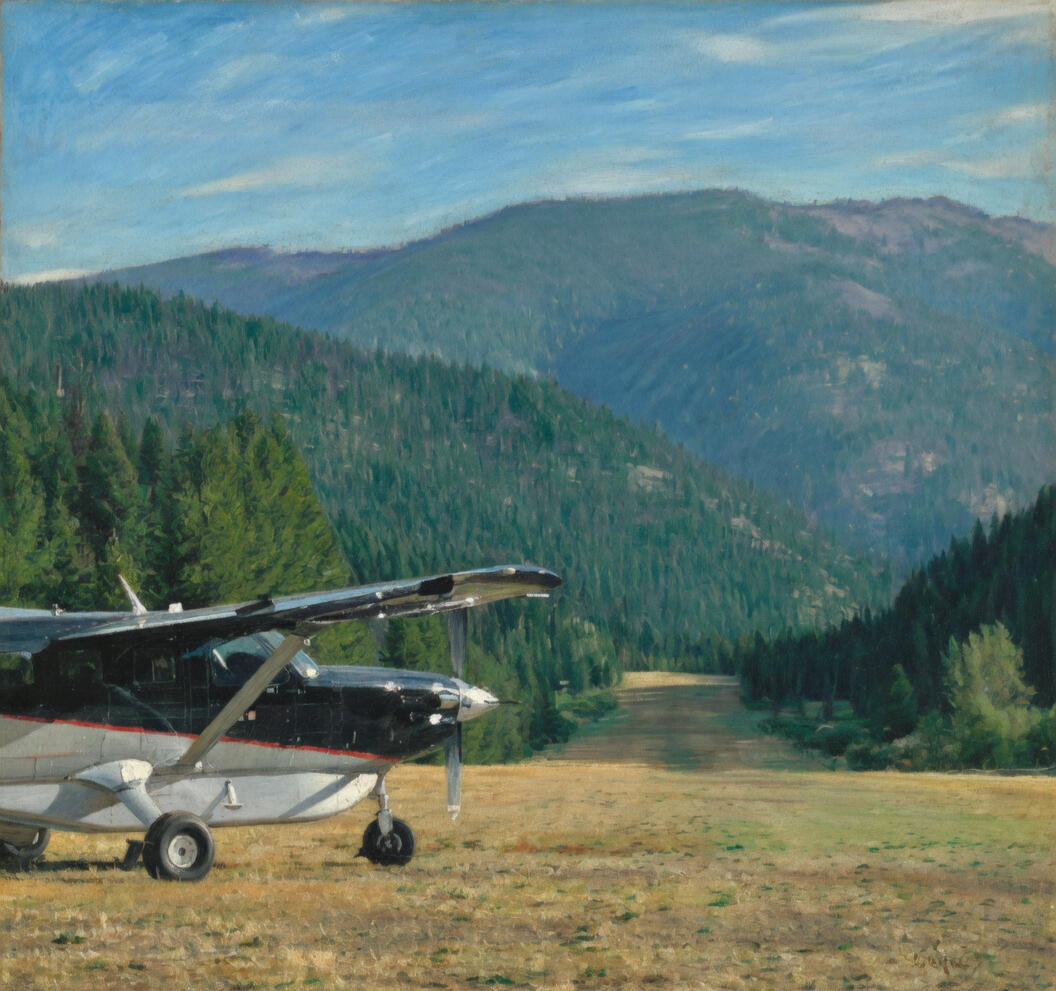
FREQUENTLY ASKED QUESTIONS
Is this a church or a mission?
It's both. The theological training is second to none. High quality biblical education and missional theology need to be available to a wider audience. The bible is very clear that the "church" in the bible is about a people, not a building. (1 Corinthians 3:9, Ephesians 2:19-22, Acts 7:48-49, Matthew 18:20, 1 Peter 2:5, Colossians 1:18, Romans 16:5, Revelation 21:3). This church is a mission run by dedicated missionary theologians who understand the existential threat to Christianity in the face global demographics, declining western birth rates, and the deleterious influence of technology. Our tent must be bigger. We must invigorate those most likely to dwell in Christianity.Is there a Rector and is he ordained?
Yes. He holds multiple non-theological degrees in his lifelong professional discipline. Additionally, his seminary training is from the Reformed Episcopal Seminary in Orland, Pennsylvania. He is member in good standing of the National Association of Christian Ministers, and a licensed Chaplain. He is a lifelong missionary and adventurer.Does the church provide Ordination or Chaplain training?
We provide both for those willing to meet our high standards. Westpoint Church of the Frontier is recognized by the State of Tennessee as a formal religious organization. The Church has a considered, deliberate, and responsible path to Ordination and for Chaplain certification, which must be strictly followed. Few succeed. We are very selective. Because our Chaplains work "in the world" and unsupervised, our standards are necessarily far higher than legacy denominations.What denomination do you practice?
None. We are non-denominational. The Holy Bible is non-denominational. We follow it, not a franchise.What, then, do you believe?
We believe in the divinely inspired authenticity of the Holy Bible and in the ancient principle of sola scriptura— scripture alone as the final authority. We seek to understand the full message within it and to make that understanding available to anyone willing to learn.What bible do you use?
The NET Bible — a ground-up translation from the best available Hebrew, Aramaic, and Greek texts, developed by more than one hundred scholars. We find it best suited for clear communication across cultures, languages, and life circumstances. It's also a fantastic learning bible, with academic cross references to further enhance your biblical education when you're ready.Who do you serve?
God above. Here, anyone. Inmates. Addicts. The grieving. Workers in remote or dangerous environments. People who have been turned away by traditional churches. People who have never set foot in one. There is no qualifying condition. If you need a chaplain, you have one.Where do you serve?
Our on call Chaplain serves the Nashville, Tennessee metropolitan area in person, and can serve anyone, anywhere by phone. Additionally, we often travel on missions and adventures.I'm in a highly regulated career field where I could be subject to unwanted scrutiny if I receive counseling. Can you help?
Yes. Any counseling is covered by Clergy-Penitent Privilege, subject only to disclosure for child endangerment or imminent harm.My group is going on an adventure. Will you travel with us and provide spiritual advice and counseling along the way?
Absolutely. It's a wonderful experience for everyone. Our Chaplains are men of the world. They are fit, talented adventurers themselves after traveling the world for years--decades in some cases. They live life to the fullest, in ways you will never see your traditional spiritual leader enjoying. You do you. You're not going to surprise or offend our Chaplain.Will you come to a prison or jail?
Yes. If access can be arranged, we will be there.Will you work with someone in active addiction or long-term recovery?
Yes. Without hesitation, without precondition, and for as long as the journey requires.Do I have to be a Christian?
No. We are Christians. You don't have to be. We take all comers. The door is open to anyone who walks through it — or anyone who needs us to walk through theirs.What does the chaplain actually do?
Whatever is needed. Spiritual counseling. Crisis intervention. Long-term companionship through grief, recovery, or incarceration. Marriage counseling. Officiating weddings — in a barn, on a trail, in a parking lot. Visiting the sick and the dying. Listening, when no one else will. He is not here to preach at you. He is here to be present with you.Why is denominational church attendance rapidly declining in the United States?
Research shows there are several reasons for the rapid decline, all of which serve as an indictment of "traditional" denominational churches. When considering church, seminary, or other religious education, purveyors of the failing model might not be the best choice for success. The largest contributing factors are:
✟ Churches following "trends" and endorsing heretical lifestyles.
✟ Church scandals.
✟ Lack of service options.
✟ Technology.
✟ Social Media.
✟ Glorification of materialism and consumerism.What do people wear when working with the church?
Come as you are--jeans, cowboy hat, work gloves in your back pocket. If we're hiking or riding bicycles, dress in appropriate gear. Dress for the weather, for safety, and for comfort. We're not here to impress each other, and we are far from prudish. In the austere outdoor environments where our adventures lead, modesty is a rare luxury. We just ask that you "read the room." We don't judge, nor are we easily offended.I'm in need of spiritual counseling. Is someone available?
Always. Our Chaplain will make himself available as needed for general spiritual counseling. Further, he and the church have a deep well of knowledge and can refer you to the community should you need more specialized counseling.I'm in need of marriage counseling. Is someone available?
Yes. We offer general spiritual counseling, to include spiritual marriage counseling.I'm getting married. Can someone from the church marry us?
Yes, of course. We'd be honored. Please contact us to get started.We want to get married in a non-traditional setting. Will the Officiant mind being outside, in a barn, or in a pavilion?
We'd love it. We're missionaries. You can't get far enough off the beaten path for us. We would be honored to do so. Please contact us to get started.Someone I care for is not well. Can someone come to my loved one for spiritual care?
If it all possible, we will. Please contact us to get started.Are donations to the church tax deductible?
Our church is well funded. We don't accept individual donations, but we do ask that you support the businesses who support us, namely Triana Coffee Company and Crossroads Cycle Works.Is there a cost involved with asking for a Chaplain?
Never. Our benefactors pay for everything.Why is this needed?
Because the traditional church is failing the people who need it most. Denominational attendance is collapsing — and for reasons that amount to an indictment: scandal, complacency, trend-chasing, and a preference for comfort over mission. Meanwhile, people are more isolated, more addicted, more desperate, and more spiritually starved than at any point in modern memory. They are not going to come to a building. Someone has to go to them. That is what a mission is. That is what we do.
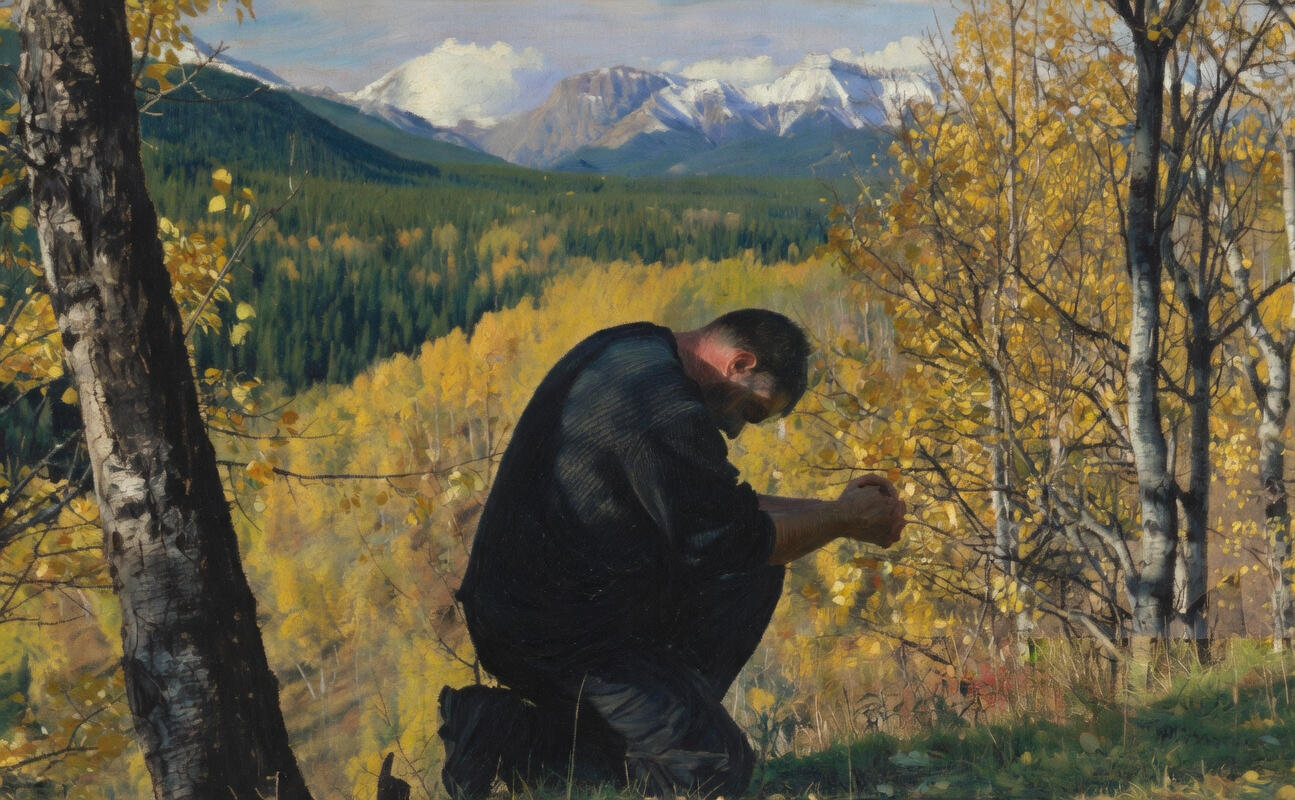
ASK THE CHAPLAIN
Day or Night.Wherever You Are.You don't need to be in a church. You don't need to be "ready." You don't need the right words, the right beliefs, or your life even remotely together.You need someone who will listen.Our chaplain is licensed, seminary-trained, and has spent decades in the field — not behind a desk. He has worked in places most pastors would never go and with people most congregations would never welcome. That's the point.If you are in crisis, if you are incarcerated, if you are in recovery, if you are alone in a place that feels like the end of the world — you can reach him from right where you are.The only qualification is need.Everything you share is held in strict confidence. Communications with our chaplain are protected under clergy-penitent privilege — the same legal protection that shields confessions and pastoral counsel from disclosure. What you write here stays between you and him. No exceptions. No conditions.Use the form below to ask our chaplain anything. No judgment. No waiting list. No obligation. Just ask what's on your heart — in whatever words you have — and he will respond.
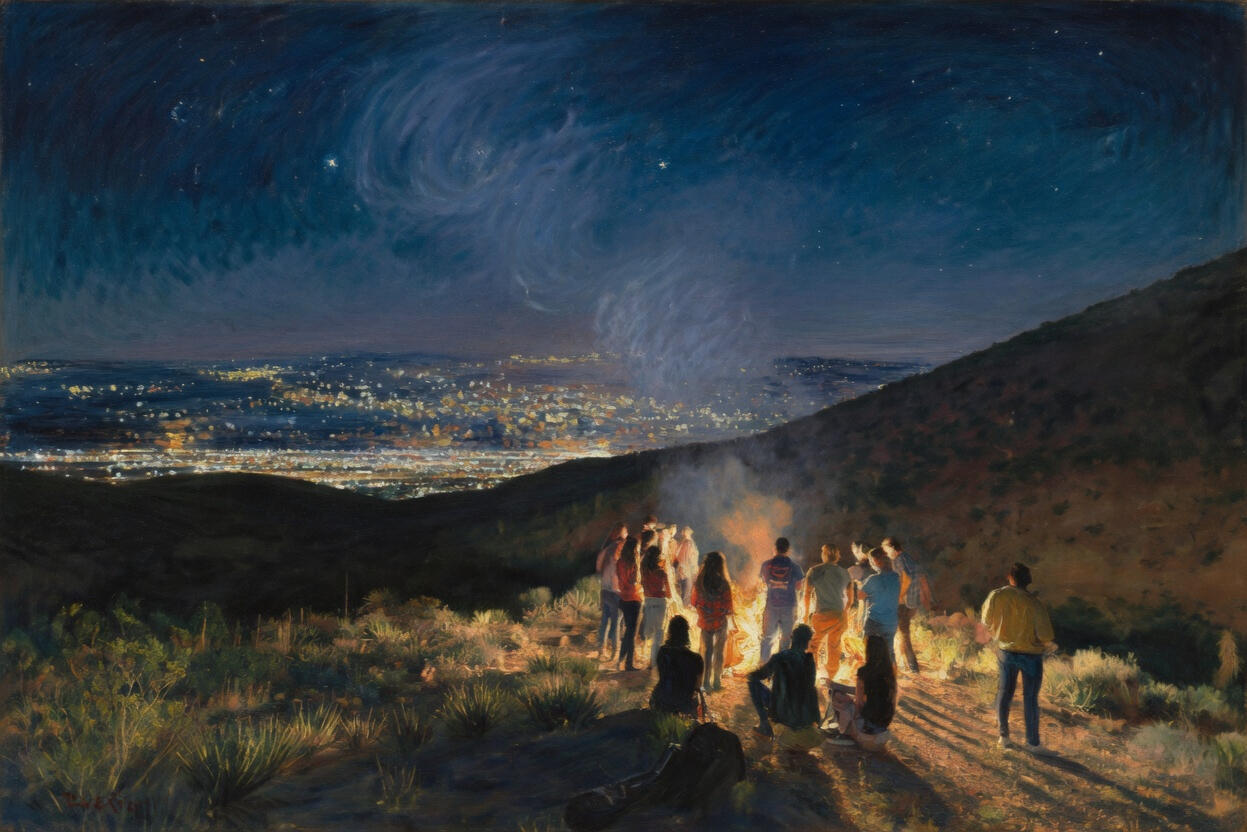
A MISSION IN MOTION
How we succeed in a complex world:Most churches wait for you to walk through a door. We walk through yours. We effectively push the word of God across social media, reaching you when and where you are. The medium of information exchange has changed, but the Word has not.We publish digital and hard copy books to provide in depth education and inspiration for you when you're alone and traveling.We lead wilderness retreats where faith and fellowship are unhurried, and uninterrupted by the modern world.We offer a 24/7/365 communication channel for those with an acute spiritual need.Contact us for more information.
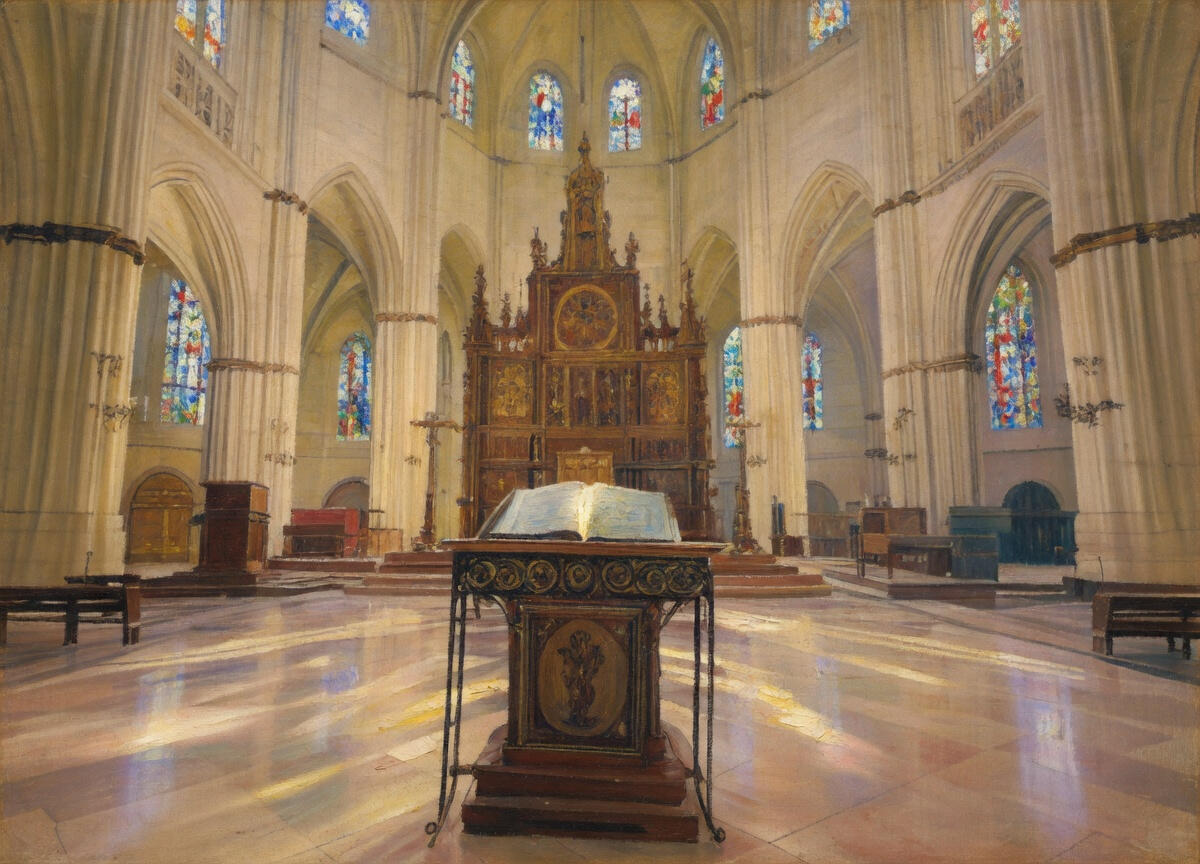
Sola Scriptura
The Bible presents salvation as a divine plan unfolding through historical revelation, centered on the person and work of Jesus Christ. This understanding begins in Genesis with humanity's separation from God through sin, followed by God's promise of redemption. Through the Old Testament, we see this promise developed through covenants with Abraham, Moses, and David, each adding depth to our understanding of God's salvific purpose.The New Testament then reveals how these promises find their fulfillment in Jesus Christ. The Gospels present Jesus as both the promised Messiah and the divine Son of God who takes away the sins of the world. The epistles, particularly Paul's letters, explain how Christ's death and resurrection accomplish salvation through faith.When we examine the biblical text closely, we find salvation described as both a divine gift and a human response. The Greek word σωτηρία (soteria) encompasses deliverance, preservation, and spiritual wholeness. Essential elements include:Understanding Our Need: Scripture reveals humanity's fundamental problem - separation from God through sin (Romans 3:23). This diagnosis helps us recognize our need for divine intervention.God's Initiative: The Bible emphasizes that salvation originates with God's grace rather than human effort. Ephesians 2:8-9 states this explicitly: "For by grace you have been saved through faith, and this is not your own doing; it is the gift of God."The Role of Faith: Scripture presents faith as the means by which we receive salvation. This faith involves both intellectual assent to truth claims about Jesus and personal trust in Him as Savior. The Gospel of John particularly emphasizes believing (πιστεύω) as the key response to Jesus.The Work of Christ: The Bible explains how Jesus' death serves as an atoning sacrifice for sin (Romans 3:25), while His resurrection ensures new life for believers (Romans 6:4). This forms the historical and theological core of salvation.The Spirit's Role: Scripture teaches that the Holy Spirit enables understanding of divine truth (1 Corinthians 2:12-14) and brings about spiritual transformation (2 Corinthians 3:18).